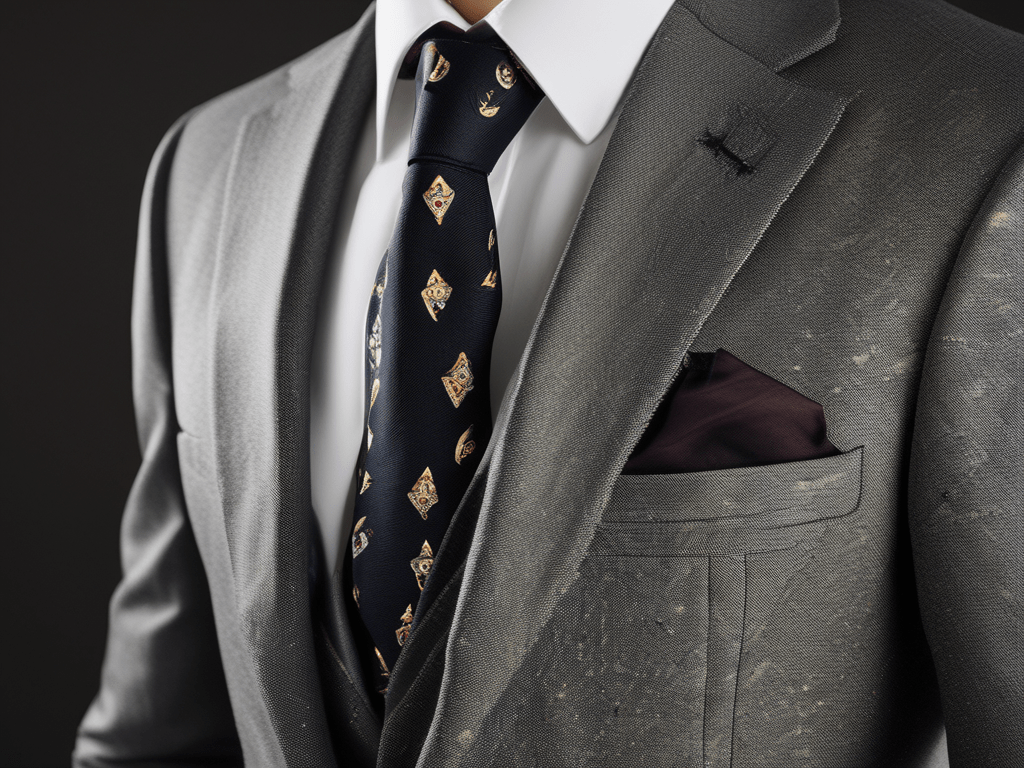
From Sketch to Stitch: The Journey of a Custom Suit
A custom suit is more than just a garment; it is a testament to craftsmanship, precision, and personal style. The journey from a mere sketch to a finished suit is an intricate process that combines art and science. This article delves into the fascinating journey of creating a custom suit, highlighting each step that transforms fabric into a bespoke masterpiece.
1. Initial Consultation: Understanding the Client’s Vision
The journey of a custom suits begins with an in-depth consultation between the tailor and the client. This step is crucial as it sets the foundation for the entire process. During this meeting, the tailor gathers information about the client’s style preferences, the occasion for which the suit is intended, and specific design details.
Key Points:
- Style Preferences: Discuss the desired look, including the suit style (single-breasted or double-breasted), lapel type (notch, peak, or shawl), number of buttons, and pocket styles.
- Fabric Selection: Present various fabric options, considering factors like weight, texture, and seasonality. Choices may include luxurious wool, breathable linen, smooth silk, and versatile cotton.
- Measurements: Accurate body measurements are taken to ensure a perfect fit. This includes chest, waist, hips, shoulders, arm length, back length, and inseam.
2. Pattern Making: Crafting the Blueprint
Once the consultation is complete, the tailor moves on to pattern making. This stage involves creating a unique pattern based on the client’s measurements. The pattern serves as a blueprint for cutting the fabric and assembling the suit.
Key Points:
- Custom Pattern Creation: Each suit starts with a unique pattern tailored to the client’s body measurements and posture.
- Mockup Garment: Some tailors create a muslin or test garment to check the fit before cutting the final fabric. This allows for adjustments and ensures the pattern is accurate.
3. Fabric Cutting: Precision and Care
With the pattern ready, the fabric is carefully laid out and cut. This stage requires precision to ensure each piece is consistent and accurate. The quality of the cut pieces determines the overall quality and fit of the suit.
Key Points:
- Laying the Fabric: The fabric is spread on a cutting table, and the pattern pieces are laid out to minimize waste and ensure consistency.
- Cutting: Using sharp shears or a cutting machine, the tailor cuts the fabric along the pattern lines, taking care to maintain accuracy.
4. Sewing: Bringing the Suit to Life
The sewing process is where the suit starts to take shape. This involves assembling the cut fabric pieces and adding structural elements to ensure the suit fits well and looks polished.
Key Points:
- Jacket Construction: The main body pieces of the jacket are sewn together, followed by the sleeves, lapels, and pockets.
- Interior Work: Adding interfacing, lining, and padding provides structure and comfort. This step is essential for the suit’s durability and shape.
- Trousers Construction: The trousers are sewn with attention to the waistband, pockets, and fly, ensuring they match the jacket perfectly.
5. First Fitting: Perfecting the Fit
A first fitting is conducted with the client trying on the partially assembled suit. This step allows the tailor to check the fit and make necessary adjustments. Feedback from the client is invaluable, as it ensures the suit meets their expectations.
Key Points:
- Fit Assessment: The tailor examines how the suit fits on the client, looking for areas that need adjustment.
- Adjustments: Necessary modifications are made to ensure the suit fits perfectly. This may involve altering seams, adjusting lengths, and fine-tuning the overall fit.
6. Final Construction: Completing the Masterpiece
After the first fitting, the suit undergoes final construction. This includes finishing the sewing, adding hems, buttonholes, and any final details. Pressing the suit gives it a crisp, professional finish.
Key Points:
- Final Assembly: Completing the suit with all the details, including buttons, buttonholes, and any decorative stitching.
- Pressing: The suit is carefully pressed to eliminate any wrinkles and give it a polished look.
7. Final Fitting: Ensuring Perfection
The final fitting is the last step in the process. The client tries on the completed suit, and any last-minute tweaks are made to ensure everything is perfect. This ensures the suit not only looks great but feels comfortable and fits impeccably.
Key Points:
- Final Adjustments: Any minor tweaks are made to ensure the suit fits perfectly and meets the client’s expectations.
- Client Satisfaction: The tailor ensures the client is completely satisfied with the fit, style, and overall look of the suit.
8. Delivery: A Bespoke Masterpiece
The custom suit is now ready to be delivered to the client. It is carefully packaged to ensure it arrives in pristine condition. Along with the suit, the tailor provides care instructions to help the client maintain the suit’s quality and longevity.
Key Points:
- Packaging: The suit is carefully packaged to avoid any damage during transport.
- Care Instructions: The client is given detailed instructions on how to care for their custom suit, including cleaning and storage tips.
Final Thoughts
The journey from sketch to stitch in creating a custom suit is a meticulous and rewarding process. Each step, from the initial consultation to the final fitting, is designed to ensure the suit is a perfect reflection of the client’s style and personality. Investing in a custom suit is not just about owning a piece of clothing; it’s about experiencing the artistry and craftsmanship that goes into creating a garment that fits flawlessly and stands the test of time.
 Alex Blogs
Leave a comment